Blog

- Home
- Blog
- Public Health Education
- Photonics-Driven Regeneration and Repair: Bridging Clinical Practice and Research
Photonics-Driven Regeneration and Repair: Bridging Clinical Practice and Research
March 29,2026
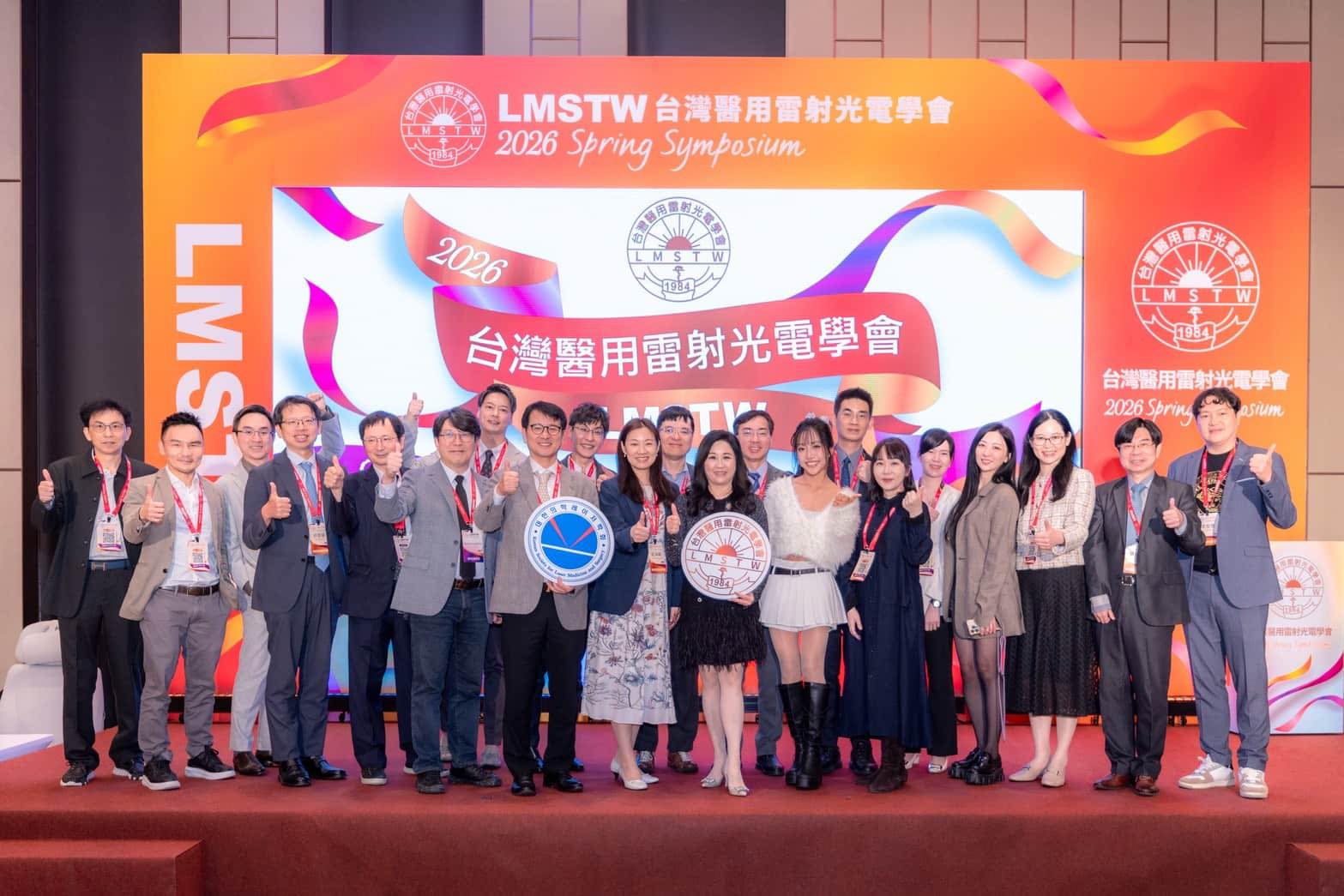
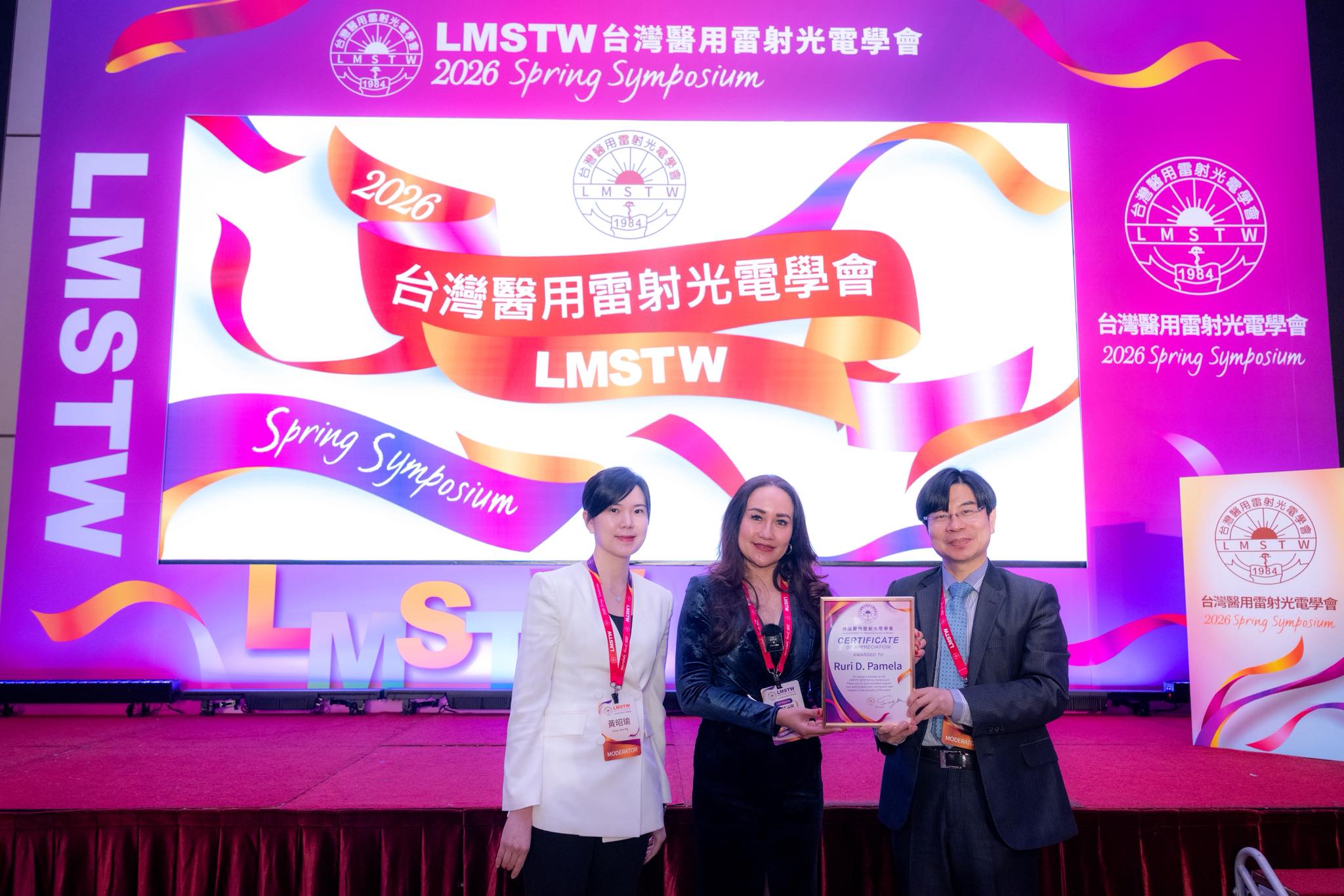
Our Center Director, Dr. Chau Yee Ng (MD PhD) recently participated in the Spring Scientific Meeting of the Laser and Photonics Medicine Society and was honored to serve as a session chair. The meeting brought together experts from diverse fields to explore the latest advancements in “photonics-driven regeneration and repair,” integrating perspectives from both clinical practice and fundamental research.

Among the key topics discussed, exosomes emerged as a major focus of interest. Their potential applications span across skin regeneration, hair restoration, and hair graying, and have recently expanded into areas such as repigmentation in vitiligo, post-laser recovery, and the prevention of post-inflammatory hyperpigmentation. With growing attention in both clinical and commercial settings, exosome-based therapies are rapidly gaining popularity.
However, from a scientific and evidence-based perspective, their clinical application still warrants cautious evaluation. One of the primary challenges lies in their inherent heterogeneity. Variations in source (animal, plant, or human), as well as differences in isolation and purification methods, can significantly influence their composition and therapeutic effects. Identifying the key functional components and establishing standardized protocols remain critical areas for future research.
A frequently raised question is whether exosomes are effective in treating vitiligo. Based on current medical evidence, this application remains in an early exploratory stage. Most available data are limited to case reports, and there is still a lack of large-scale clinical trials to support consistent and predictable outcomes. Vitiligo itself is a complex condition involving immune dysregulation, melanocyte dysfunction, and stem cell-related regenerative processes. Moreover, treatment responses may vary not only between patients but also across different anatomical sites within the same individual. Therefore, any emerging therapy requires rigorous validation before widespread clinical adoption.
Another noteworthy topic discussed during the meeting was the phenomenon commonly referred to as “overfilling” or delayed inflammatory reactions following injectable treatments. This includes hyaluronic acid fillers and biostimulatory agents, which in rare cases may induce delayed immune-mediated responses. These reactions involve complex interactions between macrophages, fibroblasts, and inflammatory pathways, and require careful consideration in terms of diagnosis and anti-inflammatory management.
Although such complications are uncommon, the essence of medical professionalism lies not only in adopting new technologies but also in the ability to accurately assess and manage uncertainties when they arise. Ultimately, the foundation of clinical practice remains rooted in scientific evidence, ensuring that patients are guided toward safe, stable, and sustainable treatment outcomes.